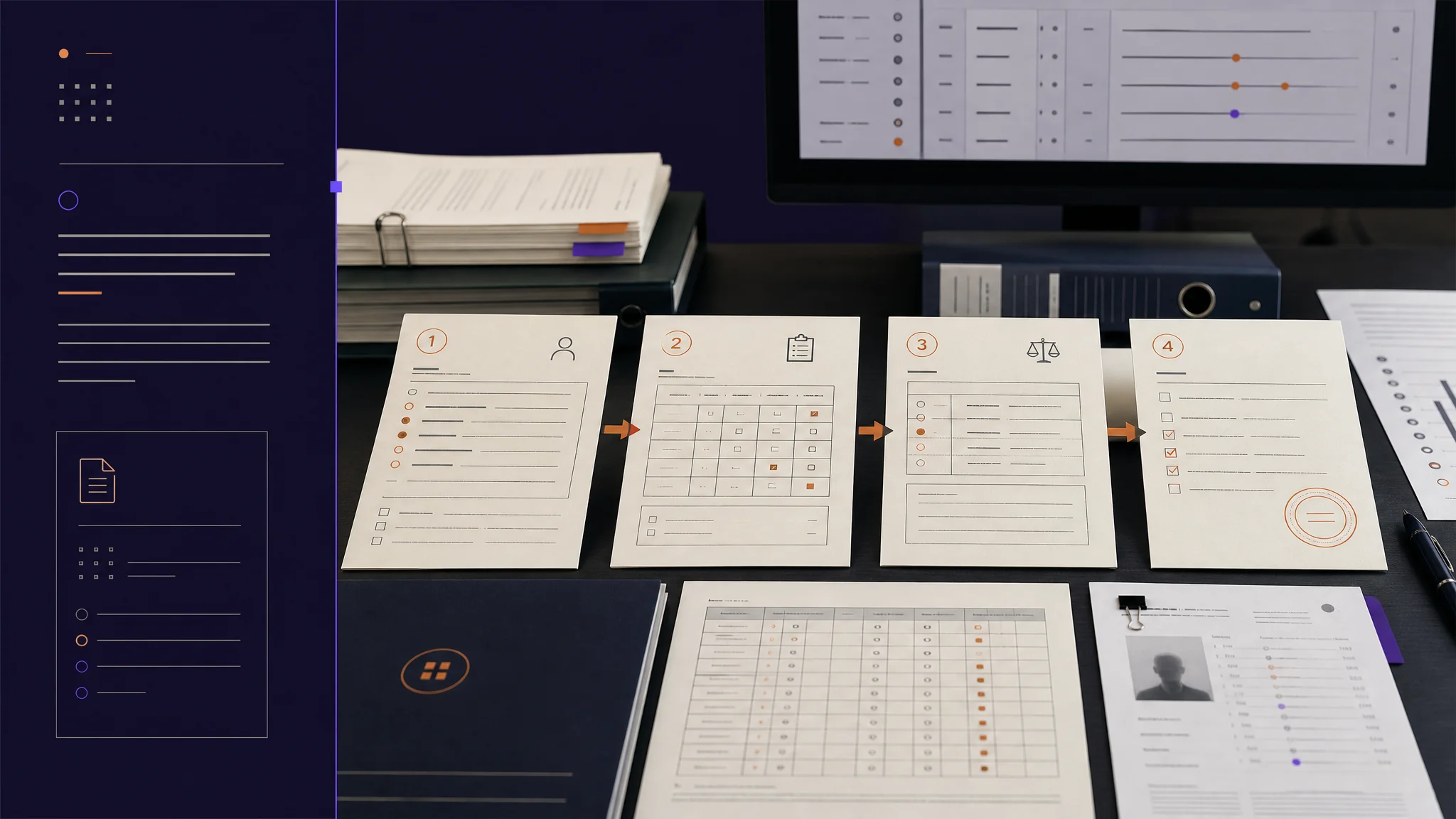
Generic CTCAE criteria are a starting point. The protocol, the investigator brochure, and the institution's own guidelines are the real source. This week we made the platform read all of them, and weigh them during grading.
The platform stops being generic
Clinical trial AI is only as good as the context it operates on. Generic CTCAE grading criteria are a starting point, but every institution has its own protocols, toxicity thresholds, and dose modification rules. An AI grading system that does not read those institutional documents is, by construction, less accurate than one that does.
This week we shipped the mechanism. Upload your protocols, investigator brochures, drug labels, or institutional guidelines, and the platform parses them, classifies them, and weighs them during every CTCAE grading run. We also anchored multi-drug attribution to protocol-specific expectations, and shipped the first version of a patient-facing mobile app for continuous symptom reporting between clinic visits.
Here is what shipped, why it matters, and what is next.
Feature Highlight 1: Knowledge base for institutional context
The biggest limitation of any clinical AI system is operating without institutional context. A generic model does not know that your site uses a specific dose modification threshold for carboplatin-induced thrombocytopenia, or that your protocol defines Grade 2 nausea differently from the standard criteria.
The new knowledge base system fixes this. Upload your protocols, investigator brochures, drug labels, or institutional guidelines, and the platform automatically:
- Parses and classifies the document (nine supported document types)
- Extracts drug names, CTCAE terms, and clinical context
- Chunks content and generates semantic embeddings
- Stores everything for real-time retrieval during grading
When the master CTCAE workflow runs, a knowledge-context step retrieves relevant protocol excerpts, drug safety information, and institutional guidelines. These are passed into the clinical judgment prompts directly, so the AI reasons from the same reference material the clinicians use.
Design decisions worth naming:
- Non-blocking: if no knowledge exists or retrieval fails, grading continues normally
- Organization-scoped: documents are never accessible to other organizations
- Three-category parallel search: protocol, drug safety, and institutional guidelines are searched simultaneously
Why it matters: AI grading now reflects the institution's specific clinical context, not just generic CTCAE criteria. This is particularly valuable for combination therapy trials with protocol-specific toxicity management guidelines.
Feature Highlight 2: Protocol-anchored multi-drug attribution
Multi-drug attribution requires understanding which adverse events are expected for each drug in a combination regimen. Until now, the attribution workflow relied solely on the clinical note and general drug safety profiles.
Coordinators can now manually enter expected adverse event profiles for each protocol: expected AE terms, frequencies, and maximum grades per drug. These profiles are passed into the multi-drug attribution workflow as additional context, anchoring the WHO-UMC and Kramer causality analysis to protocol-specific expectations.
For organizations working with pharmaceutical sponsors, Protocol Safe enables sponsors to deliver protocol data through a secure sponsor-hosted channel. Every profile change is audit-logged at the field level for regulatory compliance.
Why it matters: attribution grounded in protocol-specific expectations reduces assessment time for combination therapy cases and creates an auditable bridge between sponsor protocols and clinical trial sites.
Feature Highlight 3: Patient mobile app
Patients participating in oncology trials can now self-report symptoms between clinic visits. The complete experience includes:
- Authentication with email or phone and one-time passcode verification
- Trial enrollment with token-based onboarding and consent workflow
- Home screen with trial information, quick actions, and recent diary entries
- Symptom diary for adding entries, viewing history, and tracking patterns
- Safety reporting flow with urgency detection and triggers
The app works in dark and light mode across all screens and shares authentication infrastructure with the provider app.
Why it matters: continuous patient self-reporting between clinic visits has been shown to improve survival outcomes (22.5 months versus 14.9 months, Denis et al. JAMA 2019) and reduce emergency department visits (34% versus 41%, Basch et al.). This mobile app makes self-reporting accessible to patients in active oncology trials.
EHR integration improvements
Two changes that make EHR integration more reliable across teams:
- Organization-level EHR configuration: FHIR endpoint URLs are now stored at the organization level instead of per-user. When an admin updates an endpoint, all team members' OAuth connections refresh automatically. A searchable endpoint selector covers over 5,800 Epic and 1,900 Oracle Health endpoints.
- Dynamic OAuth discovery: token endpoints resolve at request time using SMART configuration endpoints instead of hardcoded values. This eliminates silent token refresh failures when EHR vendors update their infrastructure and removes the need for code deploys to accommodate platform changes.
Mobile provider app improvements
- Client-side filtering for cases with accurate derived review status
- Infinite scroll pagination for cases and patients
- MRN field in patient create and edit forms
- FAQ search filtering on the help screen
- Graceful logout that prevents transient errors during signout
- Unified patient edit form reducing about 230 lines of duplicated code
- Workflow data persistence preventing redundant API calls
Looking Ahead
Next: improved chunking and relevance scoring for clinical documents in the knowledge base, automated sponsor-to-site protocol delivery, and voice diary integration in the patient mobile app.
The safety and data quality platform for oncology drug development, from clinical trials through postmarket surveillance. CTCAE grading using WHO-UMC and Kramer algorithms. AI suggests, clinicians decide. More at burna.ai.